Notice: Trying to access array offset on value of type bool in /var/www/wp-content/plugins/convertplug/convertplug.php on line 216

Deprecated: Function get_magic_quotes_gpc() is deprecated in /var/www/wp-content/plugins/convertplug/convertplug.php on line 1464

Notice: Function _load_textdomain_just_in_time was called incorrectly. Translation loading for the infusionsoft domain was triggered too early. This is usually an indicator for some code in the plugin or theme running too early. Translations should be loaded at the init action or later. Please see Debugging in WordPress for more information. (This message was added in version 6.7.0.) in /var/www/wp-includes/functions.php on line 6121
ReVITALize Rehab Club

Author: Danh Ngo

  • How to Overcome Hip Tightness

    Do you have tight hips?

    Hip tightness can have several negative effects on your well-being. First, it might cause you pain and inhibit you from doing your favorite activities. In some cases, hip tightness has dissuaded people from carrying out their exercise routine. 

    So, how do you deal with hip tightness once and for all?

    Below, we’ll get into various tips and tricks for overcoming tight muscles in your hips. Keep reading so you can ease your pain and get on with living your life!

    Spend Less Time Sitting

    Hip tightness is becoming more common in our society because of the sheer number of people who sit every day. 

    Many people need to sit at a desk all day, bent over their work or school. This leads to poor posture and extra pressure on your hip flexors. How do you deal with this? 

    First, try to spend less time sitting. See if you can get a standing desk for your workstation. If you can’t, try buying an ergonomic chair. These types of chairs provide extra support to your back, lumbar region, and arms. They decrease the chances of tight muscles by promoting a proper sitting posture.

    You can also get up and move about the office. Consider taking a short walk during your lunch break to take the pressure off your hips.

    (more…)
  • ACL 101: How to Be The Last One Standing (ACL Rehab)


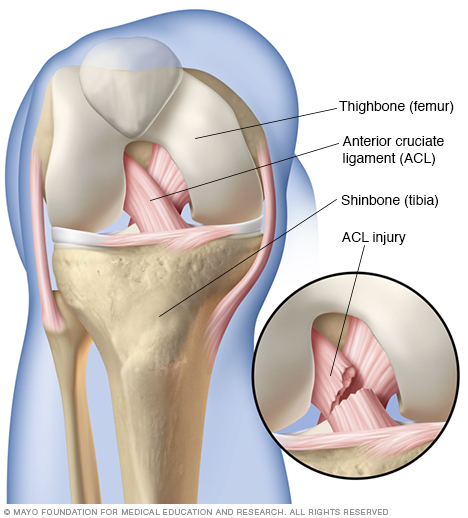
    “Pop” and your knee swells up.  You are worried because you have never felt this before to your knee.  Your knee does not feel right and it hurts to put weight on it.  The worst thoughts run through your head a mile a minute.  Do I need surgery?  What just happened and will I be okay?  Let me reassure you that this knee experience is all too common and things will be okay.  The medical lab scientists and clinicians are so intrigued with the ACL, such that there are tons of research studies advancing the care of this popular knee ligament.   This article is a continuation of “ACL 101: the Breakdown of How Not to Break Down (The What?!)”  and will dive into the self care of an ACL rehabilitation after surgery. Are you ready to get “science nerdy” to master your ACL?

    4356861_f248How to know if you have an ACL tear?

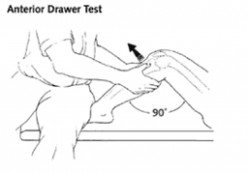
    The are two simple tests: the anterior drawer test and Lachman test.  Both tests are done by cupping the shin bone and shifting it forward.   One test the knee is at 90 degrees and other at 30 degrees, respectively.  The goal is to feel if there is any difference to the uninjured knee.  These tests are used after injury and during rehab care to understand the sturdiness of the ACL. (more…)

  • ACL Rehab 101: The Breakdown on How Not to Break Down (The What?!)

    ACL tear is a common sports and orthopedic injury that I want to spend some time simplifying.  So you just had ACL surgery or injured it and need to know everything to succeed?  What is your anterior cruciate ligament (ACL) and what is its role in knee care? Who is at risk?  How do I prevent an ACL tear?  I have knee pain (during rehab) and years after.  What is appropriate for my ACL and what should I stay away from?  These are the questions I hope to shed light on.  The American Physical Therapy Association has developed a Clinical Practice Guidelines that unified the information and methods of how to rehabilitate from a tear.  I will add my two cents in how to bulletproof your knee and reVITALize your knee into superhuman capacity and performance.  Lets delve into the technical.

    ds00555_ds00662_im02520_mcdc7_acl_injurythu_jpg

    How does the knee joint work?

    The two long bones, femur and tibia, join to make the knee joint.  This complex joint looks and function like a hinge.  A knee is design to straighten and bend with minimal rotation.  To make this example simple, lets say the knee functions like a “true” hinge guiding a door to open and close.  If you can understand this concept then you can make sense of all the nonsense out there in the internet and what advice you may hear.  A knee is in a healthy position when you bend, squat, lunge, jog, and bike.  All of these activities requires little to no rotation.  The meniscus and knee ligaments limit the rotation.  This is why our meniscus and ligaments are susceptible to aging faster.  Our hips and ankle provide most of the pivoting and twisting.  When we sit too much or reduce the amount of total body movement training, our body “dumbs” the impact of our hips and ankles.  We have become a knee dominant society. (more…)

  • Tips for Avoiding Sports Injuries as You Age

    Adults lose 10% of their strength and endurance every decade after the age of 30. They experience a 30% decline in muscle power each decade, too. As a result, seniors experience decreased physical function, which often leads to falls and injuries.

    In fact, an older adult is treated in the emergency room for a fall every 11 seconds.

    You don’t have to stop participating in the sports and activities you love, even as you get older. Instead, use these six tips to avoid sports injuries as you age.

    With these tips, you can remain physically active without worrying about the increased risk of an injury. Instead, you can stay strong, fit, and mobile.

    Keep playing the games you love! Start improving your health with these six simple tips today.

    1. Stretch and Rest

    Our bodies get less flexible as we continue to age. Before participating in your favorite sports, make sure to stretch. Stretching daily can keep your muscles loose.

    It can also help you maintain a full range of motion in your joints before you start playing.

    Over the years, repetitive movements (such as swinging a bat, golf club, or tennis racket) can cause muscles to become tight. Repeat motions can cause your muscles to become shorter over time as well. A sense of imbalance between the right and left sides of your body might develop as a result.

    Stretching each day before you start playing could help address muscular imbalances.

    Otherwise, continuing to play and participate in athletic endeavors without stretching could make the imbalance worse.

    Take the time to develop a routine stretching regimen. Consider consulting a licensed physical therapist. They can help you develop a customized stretch routine.

    You can target specific muscle areas based on your health, mobility, and range of motion. Working with a physical therapist can ensure you target the imbalances you’ve developed, too. 

    After playing your favorite sports, make sure to rest as well. Resting after working out will give your body time to record. Otherwise, you might risk playing unintentional stress on your joints and muscles.

    Developing a stretch regimen and giving your muscles time to repair could help you avoid sports injuries. It can help minimize the pain you experience after playing, too. 

    2. Consider Your Diet

    Consider working with a doctor or dietitian to adjust your diet this year. Our bodies require the right balance of vitamins, minerals, and nutrients to remain in peak performance. 

    Make sure to drink water to remain hydrated as well. Water also flushes out toxins from the body.

    Consider having a light snack or small meal one to two hours before working out or playing sports. Eating right before could cause stomach problems. As you exercise, blood moves to your muscles, leaving less for digestion.

    Before working out, consider consuming carbs. Your muscles use the glucose in carbs as fuel for your game-play. 

    Make sure to add protein to your diet, too. Eating protein before exercising can increase muscle protein synthesis. Protein can also:

    • Improve muscle recovery
    • Produce a better anabolic response (muscle growth)
    • Increase muscle performance
    • Boost strength and lean body mass

    Improving your strength could help you avoid sports injuries.

    Eating after athletic endeavors is important as well.  

    After playing, make sure to refuel to rebuild muscle tissue. Your muscles use up their glycogen as you play, leaving them partially depleted. Some of the proteins within your muscles could become damaged as a result. 

    Consuming carbs and protein after a workout can enhance your recovery. It can also decrease muscle protein breakdown while restoring glycogen stores. A nutritious meal can increase muscle protein synthesis (growth) as well. 

    Use protein to repair and build muscle, along with carbs to boost recovery. You can also consume healthy fats like avocado, nuts, or nut butters.

    Don’t forget antioxidants! Antioxidants can fight oxidative stress from free radicals. Otherwise, oxidative stress can cause chronic fatigue and other problems. 

    Antioxidants like vitamins C and E can minimize inflammation as well, which could reduce muscle soreness after gameplay. 

    3. Consult a Physical Therapist

    If you’re looking for ways to improve your physical and mental health, consider consulting a physical therapist. Their experience and expertise can help you avoid movement problems. They can help you manage your pain and maintain mobility as you get older, too. 

    Physical therapy can help improve your:

    • Mobility
    • Endurance
    • Range of motion
    • Balance
    • Strength

    Remaining strong can help you avoid potential sports injuries. You can work with a licensed physical therapist to develop a customized treatment plan. Your PT will consider your goals, challenges, and personal needs.

    Their advice could help you manage your pain without the risks of opioid use or surgery, too. 

    4. Add Strength Training to the Routine

    Consider adding strength training to your workout routine. Otherwise, you might push your body too hard, increasing the risk of injury.

    Work with an experienced trainer to develop a customized strength training program. Their expertise will ensure you don’t injure yourself using the wrong technique. The right types of training can help combat the loss of bone density, too. 

    5. Improve Your Technique

    If you want to avoid a potential injury, make sure you’re using the right technique.

    For example, you’ll want to avoid overbending your knees or twisting them too quickly. Make sure to play on flat surfaces to avoid twisting an ankle. Consider playing on soft surfaces, too. 

    Learning how to use the proper technique can help you avoid an anterior cruciate ligament (ACL) tear or other common injuries.

    6. Wear the Right Gear

    Are you wearing protective gear each time you play? Make sure you’re wearing the right gear for your sport of choice. Protective gear can help prevent new injuries.

    It could even keep existing injuries from getting worse.

    Make sure you’re wearing the proper shoes, too!

    Work Up a Sweat: 6 Ways to Avoid Sports Injuries as You Age

    You don’t have to give up your favorite sports as you get older. Instead, use these tips to avoid future sports injuries. With these tips, you can play safe, improve your strength, and remain healthy. 

    Want to develop a customized routine with a licensed physical therapist? We’re here to help.

    Contact us today to get started.
  • Best Physical Therapy Exercises for Hip Tightness and Pain

    The adult human body is an amazing machine made up of 206 bones and over 600 muscles connected by tendons, tissue, and ligaments. But when one part of the machine isn’t working, it can prevent the other parts from working too.

    If you are experiencing hip tightness, you know this all too well. Tight hips can cause lower back pain, hamstring stiffness, and limited range of motion. Luckily, there are a few therapeutic exercises to reduce hip tightness and get you back to your regular activity.

    This article will share 8 physical therapy exercises to release tight hips and promote optimal hip mobility. Some of them are stretching exercises and others are strengthening exercises.

    1. Hip Flexor Stretch

    Overactive hip flexors can cause hip tightness. If you spend a lot of time sitting during the day, your hip flexors are probably tight and you should stretch them.

    To stretch your hip flexors, place one knee on the ground and the other foot flat in front of you (creating a 90-degree angle with both legs). Squeeze your glutes, tighten your core and gently shift your body toward the front knee. You should feel a slight pull in the hip flexor but it shouldn’t be painful.

    Hold the stretch for 30-60 seconds and repeat 2-3 times on each side. Over time, you should notice less hip pain and tightness.

    2. Figure-4 Stretch

    The figure-4 stretch is for your piriformis which is a muscle located in the back of the hip near the glutes. To perform the figure-4 stretch start on your back with your knees bent and feet flat. Cross one leg over the bent knee of the other leg.

    Interlace your fingers behind your thigh (of the bent knee) and pull your thigh toward your chest. You should feel this stretch through the back of your hip. Hold the stretch for 30-60 seconds and repeat 2-3 times on each side.

    (more…)
  • Knee Pain and Running: What’s the Connection?

    Knee pain is such a common occurrence that many runners see it as an inescapable consequence of good health.

    In reality, basic preventative and treatment measures can keep even the most active runners pain-free and running longer. There is a strong connection between knee pain and running, but knee pain most often comes simply from overuse and poor preparation.

    If you struggle with hip and knee pain, running can be more of a chore than anything. This article will show you how running contributes to knee pain and what you can do to keep the enjoyment in your running routine.

    Knee Pain and Running: Why We Hurt

    Pain can come from several different types of knee injuries. The common denominator between them is that they all arise mainly from overuse. Friction between bones, cartilage, tendons, and other tissues causes wear, leading to pain and swelling.

    Other risk factors that can increase the chances of developing knee pain while running include the following:

    • Being overweight
    • Above-average height
    • Old age
    • Poor running style and lack of experience
    • Prior injuries
    • Medical conditions, e.g. arthritis

    Here is a breakdown of common knee injuries from running.

    Runner’s Knee

    The most frequent kind of knee pain results from runner’s knee, or patellofemoral pain syndrome. This is general aching or stabbing pain at the kneecap. 

    (more…)
  • Is Crossfit Bad for Your Shoulders?

    Did you know that compared to traditional weightlifters, CrossFitters are 1.3 times more likely to experience an injury? Most Crossfit injuries occur at the joints and spine, however, sometimes more serious injuries can occur. 

    In fact, serious health risks can incur due to excessive Crossfit work. Many of those injuries occur at the shoulder joint. So, is Crossfit bad for your shoulders? What are different ways you can protect your shoulders during exercise?

    What Is Crossfit?

    Crossfit workouts are a combination of different exercises that encompass a full-body workout. Crossfit uses techniques such as strength training and plyometrics in combination with explosive movements. The goal is to improve not only your strength and mobility but your cardiovascular health as well. 

    What are some of the exercises you participate in at gyms and the Crossfit Games? Movements such as power cleans, thruster, and the snatch are all fairly common movements. Many of these movements are considered Olympic lifts.  

    The high intensity of Crossfit allows participants to finish workouts in a shorter period of time and use multiple muscle groups. Some Crossfit workouts will take only 15 minutes to complete, which is much better than that one-hour run you were going to go for. 

    What Is the Risk of Crossfit?

    Crossfit is extremely intense and can be hard on the body. The explosive movements with added barbells, dumbbells, and kettlebells can add to the risk of injury.

    The most dangerous risk of participating in Crossfit is rhabdomyolysis. This is caused by excessive exercise that causes the muscles to break down to the point of a life-threatening condition. Symptoms such as dark-colored urine and extreme muscle soreness in a group of muscles are signs of rhabdomyolysis. 

    However, most Crossfit injuries are less serious. In fact, recent research has found that shoulder injuries incorporate approximately 25% of all Crossfit injuries.

    This isn’t in your lifetime of Crossfit participation either. The risk of shoulder injuries is likely to occur approximately every six months unless you address ways to protect your joints from further damage.  

    What Causes Shoulder Injuries?

    You’re probably wondering why Crossfit has a high risk of shoulder injuries. Most people starting Crossfit aren’t in optimal physical shape to handle the high-intensity workouts that Crossfit offers. Often, people tend to explore Crossfit gyms near them and the instructors have not spent an excessive amount of time and training to handle injury prevention.

    Many overhead movements put you at risk of having a shoulder injury. This includes overhead presses and Olympic lifts. This places a significant amount of weight from the barbell directly over your head, causing various shoulder risks. 

    Types of Shoulder Injuries

    Are you wondering what part of your shoulder is most at risk when participating in overhead exercises? 

    Shoulder impingement is one of the most common injuries that occur with Crossfit. Impingement occurs when the tendon that runs on the top of your shoulder gets pinched by the bone. It can also involve the bursa, which is a small, fluid-filled sac that helps provide cushion and eliminate excessive friction on your joints. 

    Your rotator cuff helps to stabilize your shoulder. It can also be injured during exercise, especially if you are using improper form. This can lead to a full rotator cuff tear or tendonitis. 

    You’ve probably heard of tendonitis and how nagging it can be. It’s best if you take the extra steps to prevent further injury.

    Prevention Is Key

    So, you’ve heard all about the risks that Crossfit can have. You’re probably wondering, what now? What can you do to prevent or treat shoulder injuries?

    It’s important to remember that your body functions as a whole. When one thing gets thrown off, then you can have multiple other problems. You should be mindful of not only your body but also your mind.

    It’s important that you pay attention to the foods you are eating, how you feel, and the quality of your sleep.  

    There are some simple exercises you can do to help strengthen, support, and prevent further shoulder injuries. You should start with simple, low-weight exercises. This can even include body weight or no weight at all, depending on the severity of the injury. 

    Perform simple exercises recommended by a certified orthopedic specialist or physical therapist to ensure you are performing the exercise correctly. These include movements that target strengthening your rotator cuff and back muscles. These exercises will also include your biceps, triceps, and chest muscles as they attach to your shoulder and can contribute to the problem. 

    Make sure that you are warming up before you exercise and slowly increase your weight. A proper cool down is always beneficial to prevent injuries. 

    Is Crossfit Bad?

    This is probably the question you’re asking yourself. The answer is: it depends. If you are improperly lifting, not receiving guided expertise, and pushing through injuries, then, yes.

    If you take the time to understand your body and your limits, as well as look into a trainer at a Crossfit gym near you, then Crossfit can be a great way to improve activity. 

    You should also check with your doctor to make sure that you are healthy enough to participate in this vigorous form of exercise and to review any injury prevention techniques discussed above. 

    What’s Next?

    You could be one of those people who has been actively prepping for the Crossfit Games 2021, or you’re just casually going to the nearest Crossfit gym whenever you have time off of work. You’ve begun to notice some shoulder pain when you reach your arm overhead and you can hardly lift anything at the gym. What next?

    Don’t worry. This doesn’t mean you have to give up your Crossfit goals. Visit a trusted and reliable source to handle all your shoulder injuries. You want to make sure that you are in professional and capable hands to get you back to living your life to the fullest.

    If you live in the Long Beach neighborhood and need an expert in everything Crossfit and Sports Medicine, click on the button below.

    Green button with 'Schedule An Appointment' text and 'Click Here' prompt.

  • A Runner’s Guide on How to Treat and Prevent Shin Splints

    Shin splints may feel like your shins are splitting. You are not alone. Up to 20 percent of runners encounter shin splints during their lives. 

    Pain can be debilitating, preventing you from moving your legs and feet. It may feel like you can’t get help. But there are ways you can prevent and treat shin splints. 

    What are some stretches that can strengthen your body? How should you prepare for running? What should you do once you encounter pain? 

    Answer these questions, and you can run for miles without suffering from painful splints. Here is your quick guide.  

    Strengthen Your Leg and Foot Muscles 

    Shin splints involve inflammation in your soft tissues. To prevent inflammation, you can engage in some strength training. 

    Toe raises strengthen your anterior tibialis muscles, which run through your shins. Stand on the edge of a step, with your toes hanging off the edge. Grip a wall, so you have upright balance. 

    Extend your toes as far as you can until your heels sit on the edge. Then pull your toes upward toward your shins. 

    Hold the position, then lower your toes down. Repeat the process with your other foot. You should do a few dozen repetitions on each foot. 

    Heel raises add definition to your calf muscles. Stand with your feet aligned with your hips. Grip a wall or railing in case you need support. 

    Lift your heels off the floor until you feel your muscles tightening. Hold for a few seconds, then lower and repeat. 

    Monitor Your Form 

    Many people lift off on their toes and land on their heels as they run. This is common, yet it can stress the shin and calf muscles. You should land on your soles. 

    Take a look at your form as you run. You can do so in front of a long mirror, or you can film yourself as you move. Pay attention to how you position your feet. 

    Being mindful of your form may be enough to help you land on your soles. If that isn’t enough, you can run barefoot. You are more likely to land on your sales when you don’t have shoes on. 

    Plan Out Your Runs 

    Make a plan for each run you perform, even short ones. Consider running on softer surfaces like grass and dirt. Running on concrete can stress your muscles. 

    Start with small runs that get longer through time. A one-mile run sounds small, but the average person burns 100 calories per mile. It will help you go a long way toward remaining fit. 

    Give your muscles time to repair themselves. Put at least one day in between each of your runs. If you still want to exercise, engage in something light like swimming. 

    Get the Best Tools for Long-Distance Running 

    If you choose to wear shoes, it is essential that you find a good pair. It should be specific for running, and it should fit your form. Make sure the bottoms are not worn down or too tight against your feet. 

    You should also wear clothing that will not constrict your muscles. Find shorts that breathe and give your legs room to maneuver. You can wear pants, but you should find loose-footing ones with soft fabric. 

    Drink plenty of water while you are out running. Add anti-inflammatory substances like lemon juice or ginger root. You can carry a bottle in your hand, or you can wear a belt that stores your water. 

    Manage Pain While Running 

    You may encounter pain while you are running. You can keep running, but slow down and try to wrap up sooner than normal. 

    Pay attention to where the pain is coming from. You may have shin splints that radiate down or up your legs. This indicates problems throughout your legs that you need help with. 

    Drink some more water. This can flush toxins out of your soft tissues, reducing inflammation. 

    If your pain is too severe, you should stop. Perform some toe raises and heel raises. If that is too painful, massage your shins with the tips of your fingers. 

    Seek Out Physical Therapy and Sports Medicine 

    You may develop shin splints in spite of your preventive measures. Do not panic. This does not mean that your pain cannot be cured. 

    Turn to someone with a specialty in sports medicine. They can be a doctor or a therapist, but they should know how to treat your muscle pain. 

    You can pursue several therapies to manage your pain. Transcranial direct current stimulation forms new pathways inside the brain. This can help you respond to pain faster and easier. 

    Muscle rebalancing therapy helps restore nerve function to damaged muscles. Some nerves get damaged when the muscles themselves get torn. By repairing nerves, you may encounter less pain. 

    Schedule an appointment with a therapist and talk to them about your shin splints. You can start treatment within your appointment, or you can wait. 

    Be patient. Shin splints can be painful, and it will take time for your tissues to recover. But they will heal if you follow your therapist’s advice. 

    Cure Your Shin Splints 

    Shin splints are a scourge for many runners. But stretching prevents shin splints. Hone your shin and calf muscles with toe and heel raises. 

    Land on your soles instead of your heels. Run-on soft surfaces so you don’t strain yourself. Drink plenty of water and wear baggy clothes. 

    When you encounter pain, stop and perform some stretches. If you encounter chronic problems, turn to a sports medicine specialist for advice. Pursue personalized therapies to lift your pain. 

    Don’t hesitate if your shins are splitting. Revitalize Rehab Club serves the Long Beach area. Schedule a consultation today.

  • Calling All Runners: Do You Have Good Running Form?

    Whether you’re training for a half marathon or you simply enjoy hitting the pavement, running is a great form of exercise. Many people enjoy running as part of their daily routine. 

    However, it’s important to know that you can’t fully take advantage of the many benefits of running if you’re not following good running form tactics. Having good running form helps you prevent injuries and improve your skills. 

    To help you learn how to have the best form possible, we’ve put together this handy running form guide. Let’s dive in!

    Signs Your Running Form Is Off

    When you run, you should expect it to be difficult. However, you shouldn’t expect it to hurt. If running is causing you pain, that’s an indicator that something’s wrong

    (more…)
  • Calling All Runners: Do You Have Good Running Form?

    Whether you’re training for a half marathon or you simply enjoy hitting the pavement, running is a great form of exercise. Many people enjoy running as part of their daily routine. 

    However, it’s important to know that you can’t fully take advantage of the many benefits of running if you’re not following good running form tactics. Having good running form helps you prevent injuries and improve your skills. 

    To help you learn how to have the best form possible, we’ve put together this handy running form guide. Let’s dive in!

    Signs Your Running Form Is Off

    When you run, you should expect it to be difficult. However, you shouldn’t expect it to hurt. If running is causing you pain, that’s an indicator that something’s wrong

    Listen to your body as you run. You shouldn’t be experiencing sharp pain in your legs, neck pain, soreness in the back, or any other type of serious physical discomfort. 

    It’s not just pain that happens during running that can indicate you’ve got bad running form. You shouldn’t feel pain after your run, either. This can indicate that your form is off and that something needs to change. 

    Here are a few signs that your running form is off: 

    • Shoulder pain
    • Neck pain
    • Pain in your hips or hip flexors
    • Knee pain
    • Elbows that shoot to the sides
    • Overly fatigued muscles
    • Excessive and recurring soreness in the muscles
    • Difficulty breathing even on easy runs

    Any of these signs could be an indicator that you need to readjust your posture on your run. Doing so can help you get rid of these unwanted side effects and can improve your running skills overall. 

    (more…)