Notice: Trying to access array offset on value of type bool in /var/www/wp-content/plugins/convertplug/convertplug.php on line 216
Deprecated: Function get_magic_quotes_gpc() is deprecated in /var/www/wp-content/plugins/convertplug/convertplug.php on line 1464
Notice: Function _load_textdomain_just_in_time was called incorrectly. Translation loading for the infusionsoft domain was triggered too early. This is usually an indicator for some code in the plugin or theme running too early. Translations should be loaded at the init action or later. Please see Debugging in WordPress for more information. (This message was added in version 6.7.0.) in /var/www/wp-includes/functions.php on line 6121 ReVITALize Rehab Club
Since your body is closely connected to your brain, this connection regulates everything from your diet to your digestion. Speaking of your gut, everyone suffers from digestive upset or nervous colitis in their life.
While many have chronic issues that they take medication for, they have no idea that functional medicine can help bring relief. From IBS treatment to stomach massage benefits, find out more about the body and brain connection below!
The Brain-Gut Connection and Digestion
Back in the day, scientists focused on treating different areas of the body separately to study them in different ways. But nowadays, researchers are realizing that every part of the body is connected. Thus, nothing can be treated in complete isolation.
For instance, the “brain-gut connection” is a striking example of this natural phenomenon. When it comes to the relationship between the gut and the brain, it might be a little difficult to understand at first. Here’s the breakdown.
First of all, the brain functions by sending signals to the gastrointestinal or digestive tract. The signals can either be sent through the:
The sympathetic nervous system, which controls the fight or flight impulse
The speed that these signals are sent through your body controls how your body absorbs nutrients and how fast it digests food. Not to mention that it impacts how your body secretes digestive juices too. All this is connected to the amount of inflammation in your body’s digestive system as well.
Have you ever felt like the room was spinning? And we’re not talking about the one time at the Jimmy Buffet concert. Today, we’re going to discuss vertigo, the unsettling sensation that the objects in your field of vision are moving.
Vertigo and associated conditions affect millions of Americans every year. People experience in different ways and the causes of vertigo are diverse and sometimes physicians are unable to pinpoint an exact cause.
If you have experienced this, vestibular rehab can be helpful. Read ahead to learn more about this condition and how it’s treated.
The Physiology of Balance and Coordination
Some bodily functions are seemingly automatic. We don’t really have to think about keeping our balance until we are losing it.
You have structures within your inner ear that can detect head movements and changes in position. The semicircular canals are tiny tubes that contain hairlike structures suspended in a liquid.
The liquid moves around in the canals when you move and this causes the hairs to move. An extremely specialized nerve ending detects these movements and sends a message to your brain. This message lets feel your body’s position in relation to the ground.
When it comes to exercise, running is one of the best workouts out there. Not only is running a full-body workout, but it also helps improve your heart health. Although running is great for you and your body, it can also be hard on your body.
Running requires a lot of repetitive motion. These repetitive motions can be hard on your joints, tendons, and muscles. One tendon that is affected the most by running is the Achilles tendon.
It gets a lot of use during running and can get very sore or stiff after a hard run. To keep yourself in top running shape, you need to keep your Achilles tendon stretched and strong.
In this article, we’ll go over the best Achilles heel exercises for runners and how they can help you.
1. Standing Wall Stretch
Although stretching may not seem like exercise, it actually helps strengthen the tendon and make it less prone to injury.
For the wall stretch, find a sturdy wall that is at least as tall as you are. Next, you should stand about 2-3 feet or arm’s distance away from the wall. Pick the leg you want to stretch, and then step back from the wall with that leg.
If you’ve had a total knee replacement, you might be worried about missing out on all of your favorite sports and activities. If you’re someone that likes to stay active, it might feel like you’re suddenly “grounded”.
Fortunately, you don’t have to feel that way.
There are many active physical sports and activities that you can still participate in, even if it means making a few alterations for your physical limitations. Some of them can help with rehabilitation and keeping your knees healthy!
If you want to know all about exercise and recreation after a total knee replacement, keep reading.
Initial Recovery Period
Immediately after a total knee replacement, you’ll probably be feeling pretty sore and unwilling to do a whole lot of movement. The first few days are just for recovery, so you should keep movements simple and essential.
You’ll likely be in the hospital during this time, so it’s important to listen to the guidelines and instructions set up by your doctors and physical therapists. They’re there to ensure that you’re able to reach mobility again. It might be frustrating to limit yourself, but the limitations are there to protect you.
Have you experienced a shoulder injury? Do you have ongoing problems with pain or mobility? If your shoulder limitations persist, you may have developed chronic shoulder instability.
A 2019 article reported that about 1% to 2% of Americans will have a shoulder dislocation in their lifetime. Many young, active, athletic people have an increased risk.
Finding effective treatment is key to preventing significant loss of function. Continue reading to learn about factors related to shoulder instability rehabilitation.
Understanding the Shoulder Anatomy
The shoulder is a “ball and socket jointâ€. It’s located between the scapula (shoulder blade) and the humerus (upper arm bone). This joint is one of the most moveable joints in the body.
This complex joint contains many different parts that allow for its wide range of motion. Synovial membranes and bursae decrease friction as the shoulder moves. In addition, ligaments help stabilize the bony structures.
The glenoid labrum is a ring of fibrous cartilage. It is located around the socket or cavity of the scapula. This labrum makes the socket deeper.
Enlarging the surface of the shoulder joint allows the head of the humerus (the ball part) to fit in the socket.
These shoulder components allow it to move in the following manner:
Extension: moving the arms backward
Flexion: moving the arms forward
Abduction: moving the arms away from the body
Adduction: moving the arms toward the body
Internal rotation: turning the arm toward the body so the thumb points to the body
External rotation: turning the arm away from the body so the thumb points away
While this level of mobility allows for high functional ability, it also makes it more unstable.
What Is Chronic Shoulder Instability?
Chronic shoulder instability starts with an initial injury to the joint. Now the joint is more susceptible to injury. If further damage occurs, this can lead to long-term problems.
Damage can occur to the lining of the shoulder joint, ligaments, or labrum. They may become stretched, torn, or detached. When this happens, the ball of the shoulder joint moves part-way or completely out of the socket.
There are many causes of low back pain; sciatica is just one. However, the tingling in the legs and pain in the hip and glutes can be debilitating and affects 10-40% of the population. The good news is that there are solutions.
One of the most common treatments is physical therapy for sciatica. Read on to learn more about how physical therapy can help to reduce your pain.
Physical Therapy for Sciatica
There are two different types of exercises for sciatica. The first are exercises that address and relieve the pain. The second is exercises to address the underlying cause of the pain. In order to remain pain-free long term, you need to address both.
A physical therapist will begin with an assessment of your spine, posture, and body mechanics to determine the cause of your pain and then provide exercises to correct the problem. In severe cases, you may need to explore surgical or other options.
Often times, over the counter or prescription pain medicine will eliminate the pain, but will not do anything to address the underlying problem.
Thread the Needle
Begin by sitting on a table or chair. Maintain an erect spine. Slowly, extend the leg that has pain while looking up. You will experience an increase in pain, which is expected. Breathe slowly and deeply and hold the stretch for five seconds.
If you love a fitness challenge, CrossFit offers exactly this! This interval training mixes strength and conditioning workouts, encouraging you to perform functional movements, like pushing, pulling, squatting, etc, at a high intensity.
Though this will whip you into excellent shape, pushing yourself athletically always runs the risk of injury. If you suffer from CrossFit injuries, do you know how to help yourself recover quickly?
Frequent Crossfit Injuries People Sustain
Certain injuries come from specific movements. Let’s look at a few common CrossFit injuries.
Low Back Strain
Lifting weights can leave the lower back vulnerable to injuries. It often occurs when people attempt to lift too much or when they lift from the waist rather than bending the knees.
This can wound the muscles and ligaments in the low back, which leads to inflammation and pain. Low back pain is the leading cause of absences and limited activity at work, making this important to heal asap.
Tennis Elbow
Overuse of the elbow can lead to this condition, characterized by swelling of the lateral tendons connecting the arm bones and pain. This can seriously limit daily activity.
In the US, only 23% of adults get enough physical exercise.
As we age, it becomes more and more important to stay active to keep our immune systems strong and healthy.
If you’re hoping to stay fit at 40, check out these useful tips to help you build muscle and stay strong.
1. Commit to 9 Minutes Per Day
Every day, you brush your teeth for four minutes. How quickly does this time fly by? This is because you’ve built a mindless habit.
With just 20 minutes of strength training per day, you can begin to feel and see huge benefits. All you need to do is start a routine.
By committing to a shorter period of time, you will trick your brain into thinking, “Wow, that wasn’t so bad!”
2. Speak to a Professional
It’s expensive to hire a personal trainer, but it’s even more expensive to damage your body by exercising incorrectly or by pulling a muscle.
Hire a professional for just a few sessions and they will show you the ropes. They will be able to teach you what to eat, which weights to lift, and how to hold your body.
If you simply can’t afford to hire a professional, check out the local gyms in your area. Regularly, you will find that there are open days or reduced classes to get people through the doors. Make sure you are involved and then ask for some guidance!
3. Use Your Backpack for Weights at Home
You don’t need to invest in fancy equipment to start lifting weights, you don’t even need to go to the gym.
Even if we try our best, it’s not always possible to avoid physical injury. This is especially true while playing sports or working out in the gym.
If you’ve experienced an injury or have chronic pain, you’ll likely benefit from physical therapy. But, not everyone knows what to expect.
Not sure where to start? Don’t worry, we’ve got you covered.
Let’s take a look at everything you need to know.
1. Alleviate Pain
The major and most obvious benefit that physical therapy has is managing the pain from your injury.
While some issues are only mild (like a minor ankle sprain), others (such as a torn hamstring) can be particularly debilitating when it comes to discomfort. In many cases, severe pain can drastically affect your quality of life.
For example, simple actions like getting out of your car can become moments that test your mental fortitude.Â
What causes neck pain? Why do I have neck muscle spasm? These are common questions that people ask when trying to seek a solution or home neck remedies. Whether you have neck pain from fibromyalgia or neck arthritis, you will find a handful of helpful causes that will explain your neck symptoms.
There are many causes of neck pain or tension but you may have heard about 3 reasons: muscles, joints, and nerves. In order to help you clarify your own neck concerns and stiffness, this article brings awareness to many other reasons that your doctors do not have time to explain to Our goal is to help you learn how to drive easier or sleep better with neck pain.
Originally this article was set at 30, but we realize that our body works holistically (together and connected) that focusing on orthopedic (muscle and joints) will leave some stiff suffering from muscle spasms and neck tension. True recovery from occasional or chronic neck pain or muscle spasms works best from an approach to blend mind, body, and recovery tactics. Read our part 2 to learn about the causes of your neck pain.
To understand the basics of how the spine (or the human body) works, the joints provide the architect of our body. Our muscles help support our joints and dictate how your bones move. There is something called a fascia that ties our muscles so they work in patterns, like a team working together to act out a play. Every player has its role. There are strong players. There are nimble or cerebral players, but most importantly, they all rely on each other to provide a winning season.
Our nerves (and nervous system) are the boss of our muscles. Theoretically, our nerves can support our joints or lack of it. Many people do not realize that there are many types of nerves: nerves that tell muscles what to do (motor nerves), ones that help you sense your surrounding (sensory nerves), and nerves that communicate to our organs to helps our stress response (autonomic nervous system).
There are many other structures like arteries, veins, lymphatic tissues of Calvin and Stella that plays a supporting role in detoxing and recovery of our body. Yes, there are ligaments and tendons. We can get really technical in this article but then this article will be 100+ reasons. This article will be great for a Part 2 but this list of 50 will suffice for most neck pain.
Here at ReVITALize Rehab Club, in the neighborhood of Bixby Knolls, Long Beach, we will break the list into orthopedic, holistic, pain science and common habits that stress your neck.
Orthopedic reasons.
1. Facets: From the picture, you can see that there are 7 neck (cervical vertebrae) bones that when stressed, it will cause pain as shown on the chart. Anatomically, our neck facets are angled at a steep 45 degree so we can turn and look in many directions.
If you take your hands and place them next to your ears. Point your fingers in the direction of your eyes. This is more at a 15 degrees angle, but when you bring your hands lower towards the base of your neck, the angle of your cervical spine will be at 45 degrees. The change in facet angle is what makes our ability for your neck to move.
The problem is that when we stay in a position for too long, our facets takes a huge deal of stress or load. Our neck can take the brunt of this at a younger age, but when we age plus do not train our neck (yes! exercise our necks… see below at reason # ), our facets cannot handle all of this pressure. Sitting dramatically increases this load when done in a slouched forward head posture.
A facet “wear” pattern is to feel “achy” tension or that “Crink”, “kink”, or “slept wrong” pattern.
2. Facet Meniscoid: This is a structure that is in the facet and joint complex. There is a theory that this gets “stuck” and causes the kink or muscle spasms in our neck. Think of our facet as the yellow lines on the road, telling us where we should drive. Our muscles are us driving the car. If we are tired or not paying attention, we hit those land “bumps” that reminds us we are steering off course.
This is where Physical Therapist can provide highly skilled manipulation to help a neck tension from an entrapped meniscoid.
3. The weakening of a Cervical Disc aka cervical disc herniation:                        There are many types of cervical disc herniation but to keep this article from getting too complex, we will generalize some neck pain as cervical disc. The good news is that most disc herniation in the neck can be managed conservative via a consistent Physical Therapy method called the McKenzie method, and hence we can comfortably bucket cervical disc herniation as one cause of neck pain.
Many people are believed, for good reasons, that having a disc herniation is an immediate surgery candidate. Pre-2010’s, MRI dictated this rationale. If something is “broken” then “fix” it by getting rid of it, however, neck pain is still on the rise. There is a big mismatch in the medical data. Research is diving into a better understanding of why some need surgery and some do not. Our belief is that the human body is amazing and a self-recovering machine! We have helped too many people avoid surgery to believe in what people are told.
4. Neck Spinal nerves: The transition from disc herniation to spinal nerve is that many are believed that having a nerve pinch is 100% due to a disc herniation in the neck. The truth is that it is not that simple, there are at least 49 other reasons as we will talk about.
The chart shows the nerve pain pattern. You will complain of feeling sharp, shooting pain down your arm if you have true nerve pain. If it is an irritated (not severe), you may have that nerve pain with coughing or sneezing or tingling sensation in your hand. If the extent of your nerve is slowing the nerve talk to the muscle, then you will have weaknesses in your arm or hand muscles. This indicates that 60% of the nerve has been affected. If you have only a numb feeling to your hand or arm, then you have a lack of good circulation to the nerve.
5. Ligaments: There are many ligaments in the neck. Ligaments connect from bone to bone, and thus, help to make sure your bones (cervical vertebrae) do not move too much. When a ligament gets yanked quickly, then you get an overstretched ligaments called a sprain.
If you have an abrupt looking down neck tug, then the ligaments to the back of your neck are stressed. If you have an abrupt looking up neck tug, then the ligaments to the front of your neck get stressed. Same goes for the sides of your neck. A rear-ended whiplash injury impacts the front and neck.
A ligament can get stressed from a prolonged tension like sitting and using your smartphone. Ligaments give you an achy-dull type of pain. Your ligaments do not like this (actually your whole body does not like this prolong modern lifestyle) and your muscles will spasm to stop this habit. More on this topic later on in this list. LIgaments get thicker with more stress to stiffen up to help you cater to your chosen lifestyle. This can be a source of pain, as a thicker ligament restrict your range of motion.
6. Muscles.  This is broken down into multiple categories: muscle tension itself, weakness, and a true muscle injury. Let us explain. Muscles are made up of muscle fibers. A true neck muscle injury is where the fibers are torn, usually from a high impact traumatic force. A “knot”, which is many people deal with, is due to a lack of circulation to the muscle fibers from improper use, overuse, or underuse. A common medical terminology of this phenomenon is called trigger point.
How do you know which muscle issue you have and why you have a trigger point? This is an important question that can unmask the source of your neck muscle frustration.
Trigger points are great for diagnosing what muscle is portraying your pain or symptoms. The chart above has “x” indicating where the knot is at within the muscle. The red shaded area shows you that pain is more complex. For some neck muscles, pushing on the ‘x” (trigger point within the muscle) can show up as pain in the wrist or fingers, mimicking carpal tunnel or a painful elbow joint.
Common muscles to develop trigger points include the dreaded Upper Trapezius, Levator Scapulae, Sternocleidomastoid, Scalenes, Temporalis, and Pectoralis Minor muscles. If this peaks your interest, just copy and paste these muscle names with the word “trigger point”.
7. Cranium sutures:Â
Our skull sutures are joints that get neglected and a hidden source of many neck tension. All joints need to move to thrive. The saying “motion is lotion” is important as our Cerebral Spinal Fluid (CSF) needs all of our sutures to optimally circulate and replenish the nutrients that our brain and nervous system needs to thrive.
This is one reason that we believe war veterans, being a former contact sports athlete, history of dealing with a direct hit to the head, or any signs of having anything to the head can have a huge impact when restored. Every sutures and bone has a vibrational rhythm.
There is a specific cranium bone that is called the sphenoid bone that is considered the cornerstone of the upper body. The sphenoid bone is directly connected to the floor of the skull, related to the sinuses, and equally important as the pelvis. In the field of orthopedic and the ability to walk or run well, the pelvis is the key to lower body health. Chiropractors have popularized the saying that “my pelvis is off” indicating that pain stems from this pelvis being off. There is some truth to this and hence can be implied to the important sphenoid bone.
8. Cranial nerves: Our nerves that go to our arm and legs gets all the attention. The cranial nerves come out of our skull.
These nerves are powerful and important to our well being. The nerves help us to balance (vestibular cochlear nerve), tells our organs (vagus nerve) what to do, see (optic, oculomotor, and more), move our face muscles (facial nerve), and many more. Your cervical spine will compress and tighten to protect these valuable nerves, resulting in a headache, dizziness, kinks, numbness, and other excruciating symptoms that your doctors will not take you seriously.
You can restore the tension or physical blockages of these cranial nerves by working on the skull as stated above. To bring into context, we work on factor 8 & 9 on 90% of the clients that we see.
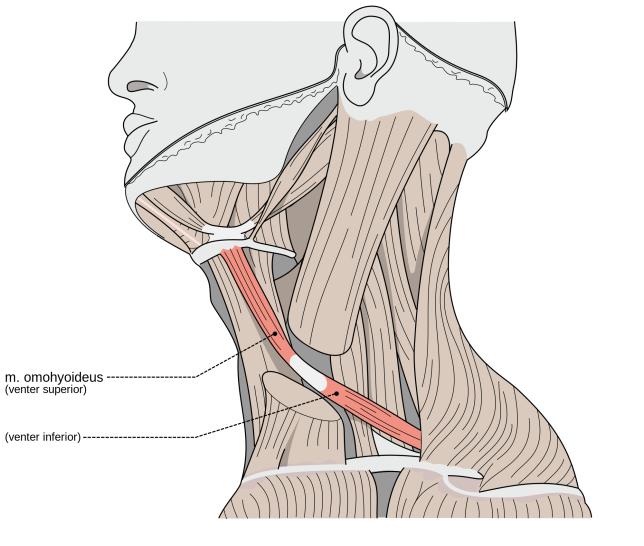
9. Jaw (temporal mandibular joint): Our jaw has direct connections to our neck via muscles, fascia, nerves, and ligaments. We do not need to explain the connection to the head and skull. Restoring the jaw, regardless of jaw symptoms, can relax your some of your neck muscles that attach to your jaw including the hyoid bone.
There are multiple times where having braces or orthodontic surgery can jumpstart someone’s chronic “weird” neck pain.  The rationale is partly due to this jaw rule. The jaw can hold a neck tension pattern from not releasing, as the jaw joint fixates the neck muscles to stay in spasm or hold a trigger point pattern.
10. Stiff Middle Back Region (including ribs)
Our middle back region, or called Thoracic Spine, is where all the movement magic should be occurring. When we twist and turn, aka life, our thoracic spine and one specific joint in our neck, called the C1 bone, does 50-60% of this twisting motion.
Most breakdown of the cervical spine occurs at the joint where it is not designed to twist or turn. This is called arthritis and where the disc starts to lose its natural ability to support your neck. You will start to have neck pain when you sleep or when you drive.
See below for the holistic reasons as you can see how this can lead to acid reflux, GERD, digestive issues, stomach pain, leaky gut, anxiety and many other chronic modern lifestyle conditions.
Are you feeling overwhelmed and feeling your neck tighten up more? If you need a second opinion or inquire about our highly praised Best Neck Pain Specialist services, click on the blue button below. As you read more about neck pain causes article, you will realize that there are more alternatives to your neck tension, spasms, and stiffness. Massaging and stretching your neck muscles is not the only answer.
We are located within the neighboorhood of Bixby Knolls, Long Beach.
Orthopedic Strengthening / Fitness reasons
In order to appreciate this list, you have to understand how your muscles work. Muscle imbalances are a natural part of daily living and inevitable. You can do exercises to make sure it does result in less muscle tension or spasms, thus protecting any arthritis from flaring up.
Whether you are diagnosed with Rheumatoid Arthritis or Fibromyalgia, a gradual increase in strengthening is important to minimize muscle work-out soreness and still gain muscle strength.
The body works in two patterns: power and finesse strategies. The finesse strategy is another word for the “Core” that everyone talks about when exercising. If you are not familiar with this concept, the core is not your 6-pack. That is having 6-7% body fat. We are talking about a group of muscles within your whole human body that protects the joint when used.
The power, or termed global, muscle group are designed to help you with lifting, pushing and pulling. You need this group only when necessary and not during basic daily activities, however, many people with chronic headache, whiplash, arthritis, fibromyalgia, or chronic neck pain, the power strategy becomes the only method of movement. This choice does not protect your joints in the long run.
So let’s get going on this list.
11. Weak Deep Neck Flexors Muscles
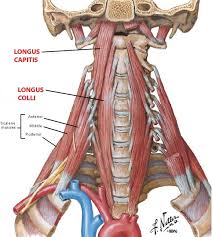
Research has been showing that this is a crucial group of muscles that support the neck facets, disc, and joints. When you are in a car accident and suffer from whiplash, this group of muscles gets shut off. Your supporting surrounding muscles like the Upper Trapezius and Levator Scapulae spasms and wreck havoc.
This is a common reason why getting massages often does not help your neck in the long run. Here at ReVITALize Rehab Club, we understand that we have to help your Deep Neck Flexors to wake up in order to have proper function of your neck.
People labeled with chronic neck pain, headaches, whiplash, and fibromyalgia has been validated in research to have this weakness in the Deep Neck Flexors.
12. Weak Shoulder Blades (Scapular) Muscles
Our shoulder blades are the base of support to your neck. It is the connector of our neck and arm together.
Research has demonstrated this concept and relationship where improving your strength and control to your scapular region can have profound.
Imagine the line of tension in your neck from this picture. The neck is pulled as the shoulder blade in sloped downwards. You cannot massage this out. You cannot manipulate this pain out if the trigger is a scapula tugging on your neck.
Our rotator cuff muscles help to support our shoulder joint. To keep this article simple, read our article “Juggling the Juggler” to understand how to learn if this tip is for you.
Hint: A weak shoulder blade will make a Rotator Cuff muscle weak.
14. Weak Hip Stabilizers
Imagine a windy day. You are the tallest tree in the forest. Which part of the tree will be most impacted and swaying the most from this windy day?
The top of the tree. If you have a weak base of support like weak balance, then your neck takes the brunt of the force. Does it make sense now in regards to why your neck cannot shut down and relax? How can you sleep with neck pain? When you decide to sleep your neck pain away, your neck tension and muscle spasms are so exhausted that it cannot let you.
Your hip like Gluteus Maximus, Minimus and Medius are important muscles to train to stop this from happening. Read our article of “How to Undo Glut Amnesia” to get some exercise ideas.
15. Weak Grip Strength
This is a common test that can give us tons of information on how your body is working. The grip is a power strategy. If you have no finesse and power strategy, how can you function?
Many people with carpal tunnel syndrome and other hand/finger injury will have neck pain due to this idea. However, many carpal tunnel syndrome clients tend to get better with a proper Physical Therapy care to their neck. Research is validating this course of Carpal Tunnel Rehab protocol. The reason why this is benefiting is that you will over-grip less of a weak grip hand, which leads to less pressure on your carpal tunnel region. You might have to read that last sentence more than once as it is a bit of a brain teaser.
Signs that You Have a Weak “Core” Group
16/17/18. You tense up your fingers, toes, and/or jaw during coordinated or simple movements. A simple test we tend to pick this up is when we ask a client to skip. If you lack good core pattern, then the hands and toes will tense up to power your skip. It will look like a “clumsy” type or unnatural type of skipping.
This same movement pattern is happening when you slice up carrots or walk your dog. It is happening without you knowing but can be detected with a trained eye. Your movement never lies and this is one reason. Â
19. You get Hamstring cramps often (also includes feet cramps)
Yes, we know there are many reasons for having a muscle cramp, but a good majority of the reason for having your hamstrings or feet cramp is due to your muscles working too hard to perform simple tasks. We can get more technical, but when we retrain your body to work with your finesse, you will get fewer feet cramps.
This is a reason why more flexible people tend to get fewer cramps. You get more cramps when you get older due to the lack of flexibility.
20. You have a shallow breathing or suck your stomach in often
Our belly is natural to suppose to expand to take in oxygen when we inhale. This phenomenon helps turn on your core and add natural finesse. A trained athlete like Kobe Bryant does not get tired or look gassed when he is playing basketball as he has trained his body to use power when needed. For us, untrained individual, playing basketball will cause us to go into shallow breathing quickly and we power through our way.
As indicated earlier, your stomach will expand to help take in air, however, many people with arthritis, chronic neck pain, whiplash, or fibromyalgia will demonstrate the dysfunctional pattern.
Try it. Stop reading this article. Close your eyes and see how your belly and chest moves.
21. You shrug your shoulders or tip your shoulders forward when lifting, pushing or pulling.
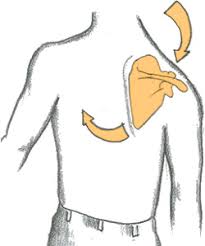
This idea goes with the weak shoulder blade muscles or scapular stability. Our scapular is supposed to fixate to our ribs to enhance our lifting and arm strength. Your arm and scapula join forces to be a stable unit. When you shrug or point your shoulder forward, you are moving away from your rib cage and weakening your upper body.
Try to lift something heavy and see where the tip of your shoulder goes. Forward? Up? or pressed into your middle back?
22. Poor balance especially standing on one leg.
This piggybacks off the logic of Reason number 13 of having weak hip muscles. Read above.
Are you feeling overwhelmed and feeling your neck tighten up more? If you need a second opinion or inquire about our highly praised Best Neck Pain Specialist services, click on the blue button below. As you read more about neck pain causes article, you will realize that there are more alternatives to your neck tension, spasms, and stiffness. Massaging and stretching your neck muscles is not the only answer.
We are located within the neighboorhood of Bixby Knolls, Long Beach.
Unhealthy Habits That Causes Neck Pain and Muscle Spasm
This next part of the list is very important. You can do all the strengthening and seek good Physical Therapy care, massages and manipulations often, but if you live 10-12 hours daily with poor habit awareness, then you will still have neck pain.
We find that having arthritis or fibromyalgia is a diagnosis that can get better when we emphasize a holistic approach. This includes the daily choices and habits that impact and tenses up the joints, muscles, nerves, circulation, fascia, and many other structures.
23. Thinking you can push through pain
Everyone does this, including us. The problem with this mentality is that pain has been demonstrated to shut down key muscles that support your joints. Our body is designed to be resilient to help us push but for a short time until we take care of the root cause.  Modern lifestyle does not allow us to stop and heal. The boom-bust cycle is a common habit of people in chronic pain and needs to be changed.
Remember, if you are moving without proper joint protecting muscles, like your Longus Colli and Longus Capitis muscles, then you will ask for trouble. In your shoulder complex, the Serratus Anterior, rotator cuff muscles, and Lower Trapezius muscles in order to protect the region between your neck and arm.
24. Doing the same thing day in and out.
Everyone does this without knowing the consequences of how bad this could be on our body. Many get by and that is a testament to how wonderful our body is at adapting. Our body changes to help us, just like a plant twisting and turning itself to get more sunlight.
The danger lies when we get into a traumatic event like a fall or car accident. Our body becomes dumbfounded and cannot understand how to move outside of the compensatory pattern. If it took you 20 years to reach a happy place of compensation, you cannot expect your body to bounce back and find a new pattern immediately after trauma.
An example of this phenomenon and how to apply this. We saw someone with neck and arm pain who likes to get out of bed on the left side. His homework is to learn how to get out of the bed on the right side of the bed. This was immensely difficult for him, but when he learned this pattern, his symptoms reduce dramatically. He opened up a new pathway for his body to have options. This option reduces stressed to his neck muscles and joints.
25/26. Sitting too long (>60 minutes) & especially if you are using a smartphone
The problem with this factor is that many think sitting is bad as a whole. Sitting is bad if we do not train our body as a whole. Sitting can be looked at as a sport that requires flexibility, endurance, and coordination.  YES! Coordination of sitting erect while moving our arms with our eyes.
Many people have a weak base of support from where they sit. This could be another whole other article. A proper sitting technique is from the ischial tuberosity (see the picture with the blue circle) and not our tailbone, coccyx. Our coccyx has many nerve bundles and that is not a good idea to sit on them. Â
The modern lifestyle with smartphones makes it too easy to sit on our coccyx and slouch. The posture from holding a smartphone places a deeper crease at many junctions at where our nerves from our neck run along our arm.
27. Avoiding bodyweight arm exercises
Our body needs to understand how to use our upper body in concert with the rest of our body. The workout exercises consisting of pull-ups, push-ups, and other dynamic body-weight program are great exercises that we grow up ignoring. Every day we incorporate these common movement patterns of push, pull, and lift. When we open a door, this is a pull pattern. A lift and walking pattern are happening when we carry groceries.
Many people tend to get into trouble when we get into a car accident. This is for good reason, but the reason is that we are not training our body to take up the shock of a car accident. Our hands are on the steering wheel and part of this path of the car being hit, steering wheel, up our arms, and stays at our neck joint and muscles.  The head and brain tend to be the last stop. As we stated in Reason 7, many people with neck pain, headache, migraine, and arthritis get told that they have to live with their pain. What many do not realize that there is commonly an underlying undiagnosed concussion that does not heal unless properly treated and managed. How are you training for the unexpected?
28. Overstressing about the past and future
There are many conclusive studies that are bringing forth this idea that stress puts our body and subconscious on a hyper-alert. Our hormones drive our body to be in a state of tension that manipulations and mobilizations cannot fix. Mindfulness and exercise have been shown to be a great 1-2 combo in helping people tame their pain.
The literature within chronic pain research is stating that cortisol is out of control. Cortisol is the stress hormone that drives our body to act like we are fleeing away from a lion. This phenomenon impacts our immune system, digestion, and muscular response.
29/30. Eating inflammatory foods that impact our digestive health
We left this reason last, as dietary changes are very hard to change. It is an easy way to determine if your pain is mechanical in nature or a chemical response from an external source such as food. The topic of nutrition and its impact on muscles, joints, and nerves are becoming more conclusive based on recent research. There are numerous studies that connect food with digestion distress and chronic pain. The big three are gluten, dairy, and processed sugar.
There you have 30 reasons that you can control in the near future to rid yourself of neck pain. As we mentioned before, there is a good reason why your neck is kinking frequently. If addressing joint and muscles with chiropractic or massages are not providing you with lasting, reflect on the saying “your body will protect your internal health at all cost”.
ReVITALize Rehab Club addresses and can shed light on all 30 reasons for your neck pain. Reach out to us by saving a special time on our schedule to have this phone chat with US leading Spine and Sports Medicine Holistic Physical Therapist Dr Ngo.

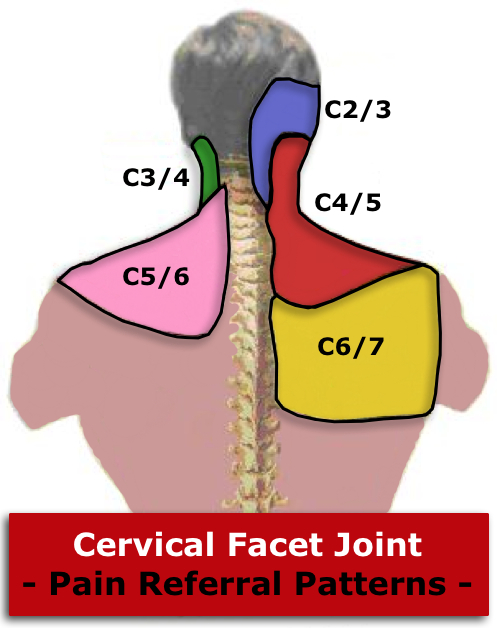 ervical vertebrae) bones that when stressed, it will cause pain as shown on the chart. Anatomically, our neck facets are angled at a steep 45 degree so we can turn and look in many directions.
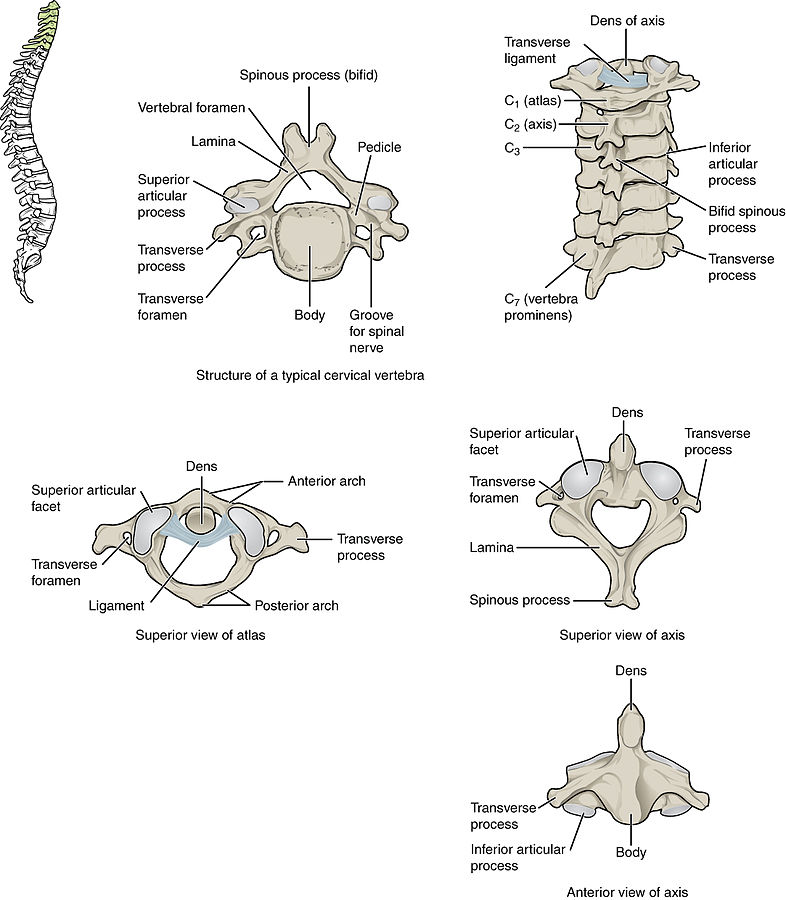 The problem is that when we stay in a position for too long, our facets takes a huge deal of stress or load. Our neck can take the brunt of this at a younger age, but when we age plus do not train our neck (yes! exercise our necks… see below at reason # ), our facets cannot handle all of this pressure. Sitting dramatically increases this load when done in a slouched forward head posture.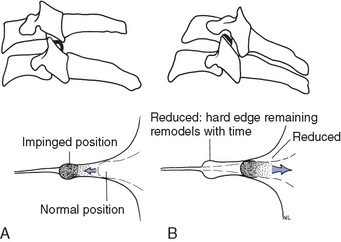
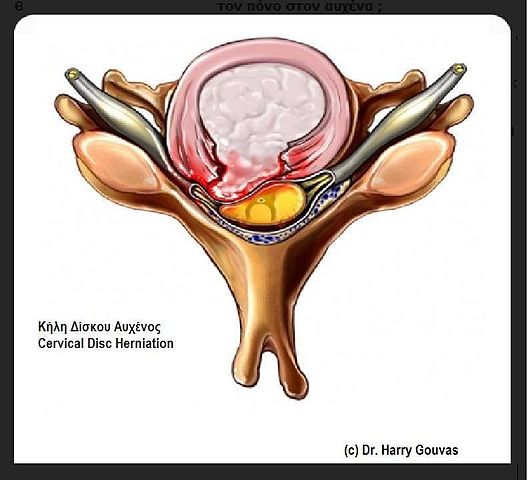 There are many types of cervical disc herniation but to keep this article from getting too complex, we will generalize some neck pain as cervical disc. The good news is that most disc herniation in the neck can be managed conservative via a consistent Physical Therapy method called the McKenzie method, and hence we can comfortably bucket cervical disc herniation as one cause of neck pain.
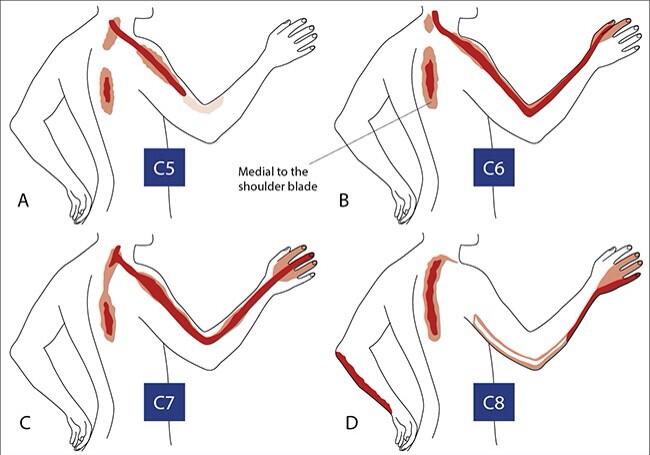 4. Neck Spinal nerves: The transition from disc herniation to spinal nerve is that many are believed that having a nerve pinch is 100% due to a disc herniation in the neck. The truth is that it is not that simple, there are at least 49 other reasons as we will talk about.
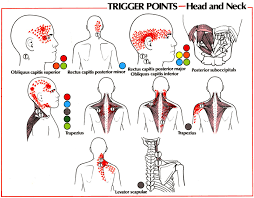 6. Muscles.  This is broken down into multiple categories: muscle tension itself, weakness, and a true muscle injury. Let us explain. Muscles are made up of muscle fibers. A true neck muscle injury is where the fibers are torn, usually from a high impact traumatic force. A “knot”, which is many people deal with, is due to a lack of circulation to the muscle fibers from improper use, overuse, or underuse. A common medical terminology of this phenomenon is called trigger point.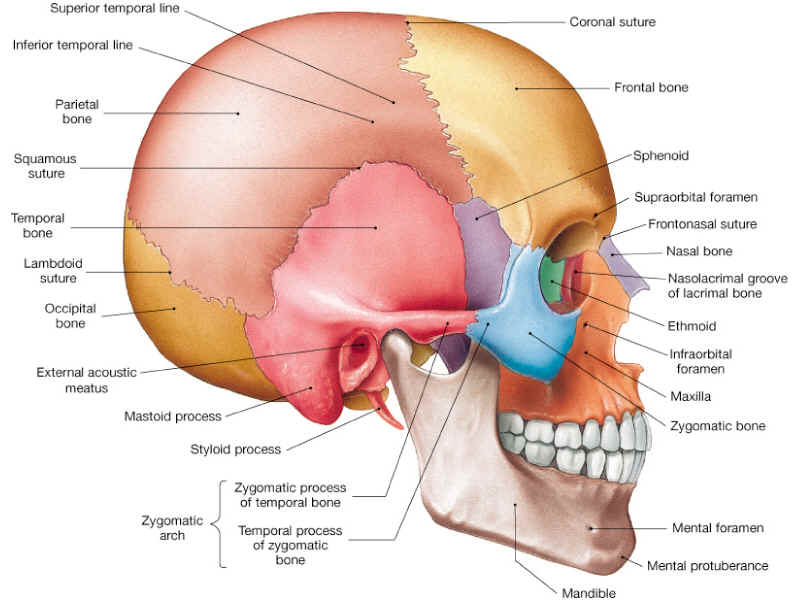


 . Poor balance especially standing on one leg.

